
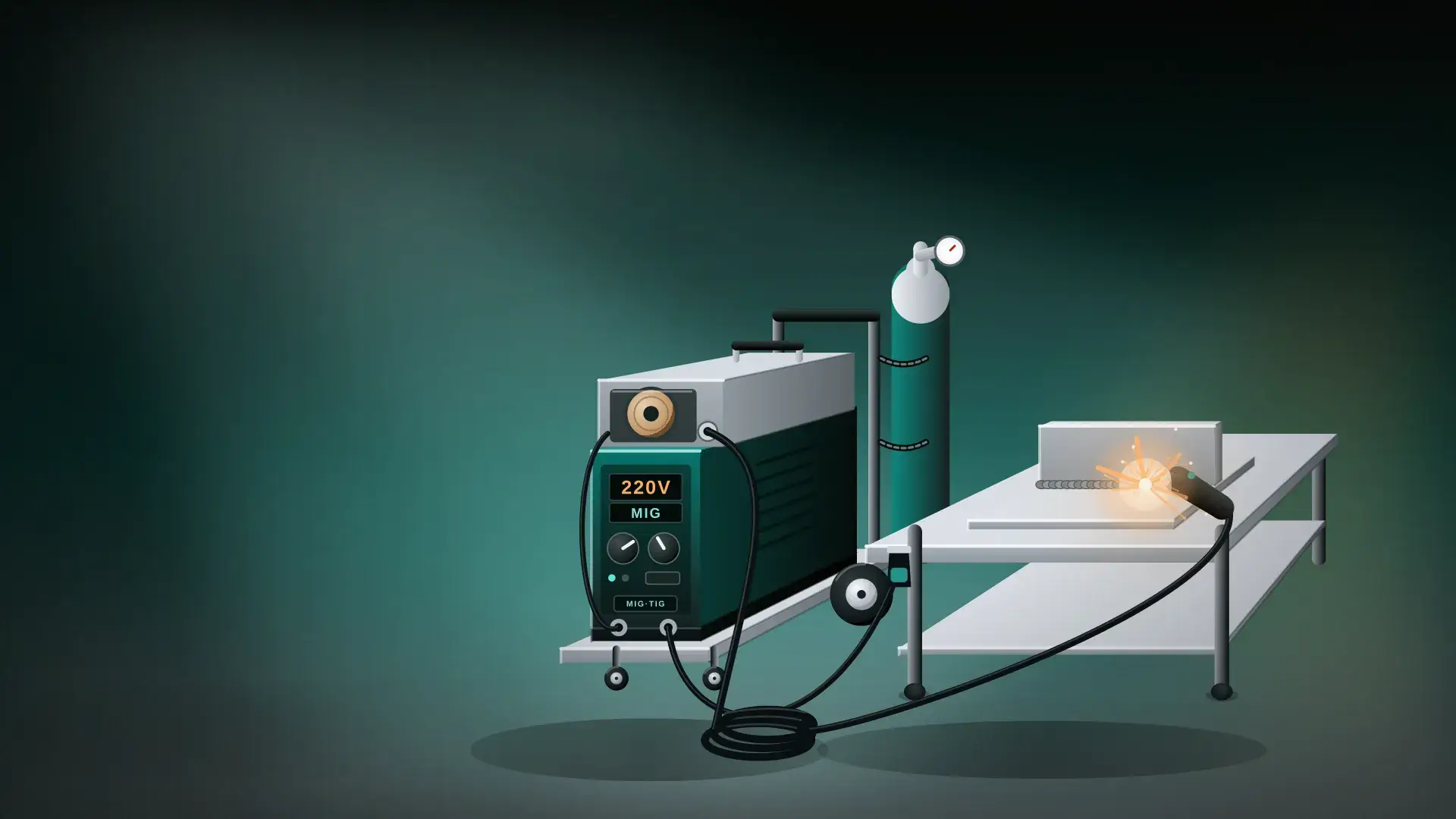
MIG / TIG / MMA
MIG, TIG & Arc (MMA) Welding Machines
Engineered, built and tested in India and configured to your job, with installation, operator training and service from the team that built it.
RA Machine is the CNC machine division of R.A. Auto Engineering Works, an engineering company in Kolkata, India, founded in 1989 and building machines since 2008. We make CNC laser and plasma cutting machines, MIG, TIG, MMA and submerged arc welding machines, and cobot and robotic welding systems, and supply them across India and abroad. We are GST registered, hold an Import Export Code for export, and have supplied Indian Railways since 2022 as a preferred vendor for certain safety-critical items. Our MIG, TIG & Arc (MMA) Welding Machines are designed, built and supported by our own team in India, for buyers across India and abroad. More about RA Machine
Specifications
The range
Arc welding joins metal by melting the joint with an electric arc, and the three most widely used manual and semi-automatic processes are MIG, TIG and MMA (stick). RA Machine builds welding machines for all three, for 220 V and 440 V supply, and customises each to the buyer's materials, thicknesses and type of work. That covers a fabrication shop's everyday MIG set, a TIG machine for stainless steel and aluminium, and a rugged MMA machine for site erection and maintenance, each engineered, built and tested in India.
- Processes
- MIG, TIG, MMA (arc)
- Supply
- 220 V and 440 V
- Configuration
- Customisable
Every machine is configured to the job it will do. Send us your material, thickness and production volume and we will recommend and quote the right configuration.
Request a Quote
For MIG, TIG & Arc (MMA) Welding Machines. Each machine is configured to the job, so tell us your material, thickness and volume and we will specify and quote it.
Fill form instead
Thank you — your enquiry has been sent.
Our sales team will get back to you shortly, usually within one working day.
Where it's used
Applications
Structural steel and general fabrication
Stainless steel food, dairy and pharmaceutical equipment
Aluminium fabrication
Pipe and pipeline welding
Automobile body and component repair
Agricultural equipment manufacture and repair
Site erection and construction
Plant maintenance and repair workshops
Steel gates, grills and furniture
Welding training at ITIs and technical institutes
How it works
The engineering
All three processes strike an arc between an electrode and the workpiece and protect the molten weld pool from the air. They differ in how filler metal is supplied and how the pool is shielded, and that difference decides speed, the skill required, weld appearance and where each process works best.
MIG (metal inert gas) welding, called MAG when an active gas mixture is used on steel, feeds a continuous wire electrode through the torch while shielding gas flows around the arc. Because the welder never stops to change electrodes, it is the fastest of the three for production fabrication on mild steel, stainless steel and aluminium, and the easiest to learn. It needs a gas cylinder and is sensitive to wind, so it is mainly a workshop process.
TIG (tungsten inert gas) welding uses a non-consumable tungsten electrode and, where needed, a separately fed filler rod, shielded by argon. It is slower and demands more operator skill, but it gives precise heat control and clean, spatter-free welds. That makes it the choice for thin stainless steel, aluminium, food and pharmaceutical equipment, pipe root passes and any weld that will be seen.
MMA (manual metal arc, or stick) welding uses a flux-coated electrode whose coating creates its own shielding gas and slag. It needs no gas cylinder and copes with wind, mill scale and awkward positions better than the other two, so it remains the standard for site erection, structural work, repair and maintenance. It is slower than MIG because of electrode changes and slag removal between runs.
Choosing a configuration starts with the job: the processes you need, the metals and thicknesses, how long the machine will weld without a break, and the supply available. A 220 V machine runs from an ordinary single-phase connection and suits smaller workshops, maintenance teams and site use; a 440 V three-phase machine suits continuous production and heavier sections. Many buyers want one machine that covers more than one process, and we customise the output, controls, torches and accessories to suit.
These machines sit alongside the other welding families on this site. For long, straight or circumferential seams on thick plate, submerged arc welding deposits metal faster than manual MIG. For repeat parts in volume, a cobot or industrial robot can carry the MIG torch and weld every part the same way. Manual MIG, TIG and MMA remain the right tools for varied, one-off and site work.
RA Machine engineers, builds and tests its welding machines in India and supports them with installation, operator training, spares, remote diagnostics and service visits.
Our range
Other technologies
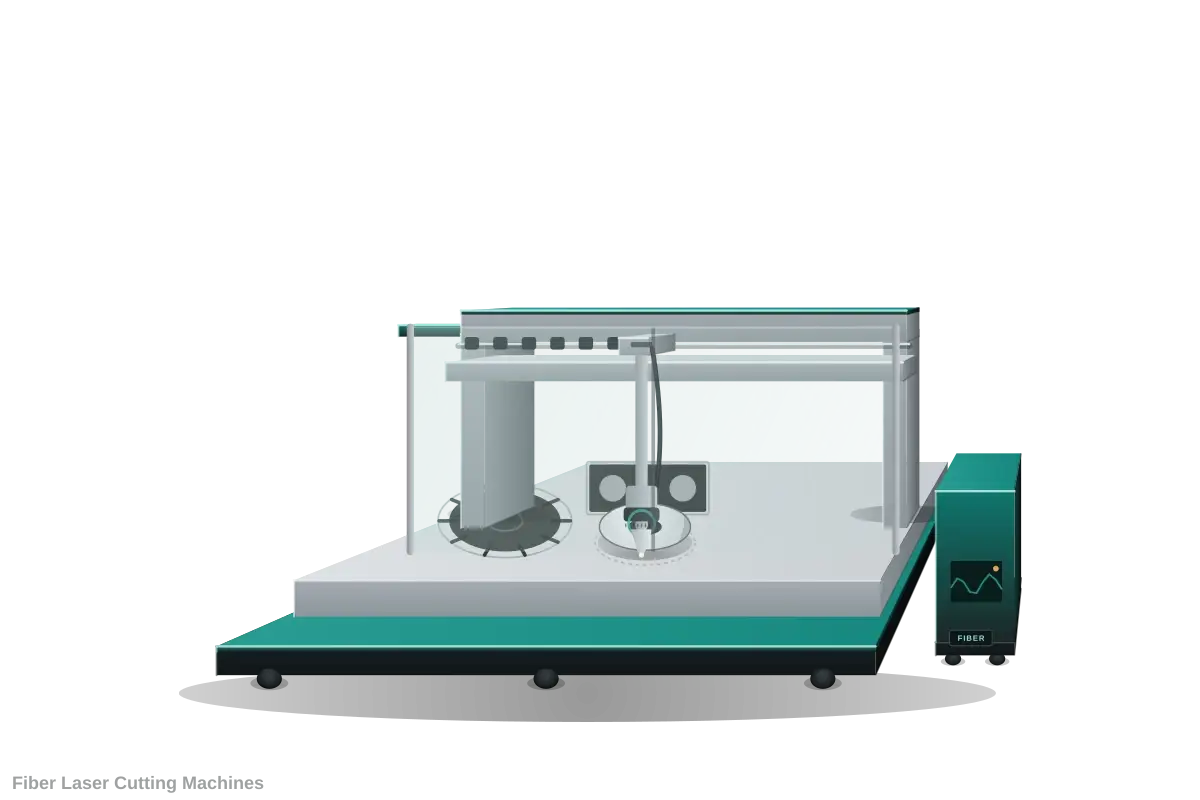
CNC Fiber Laser Cutting Machines
CNC fiber laser cutting machines from 1.5 kW to 30 kW, engineered and built in India for sheet and plate fabrication. Installation and training included.
1.5–30 kWlaser power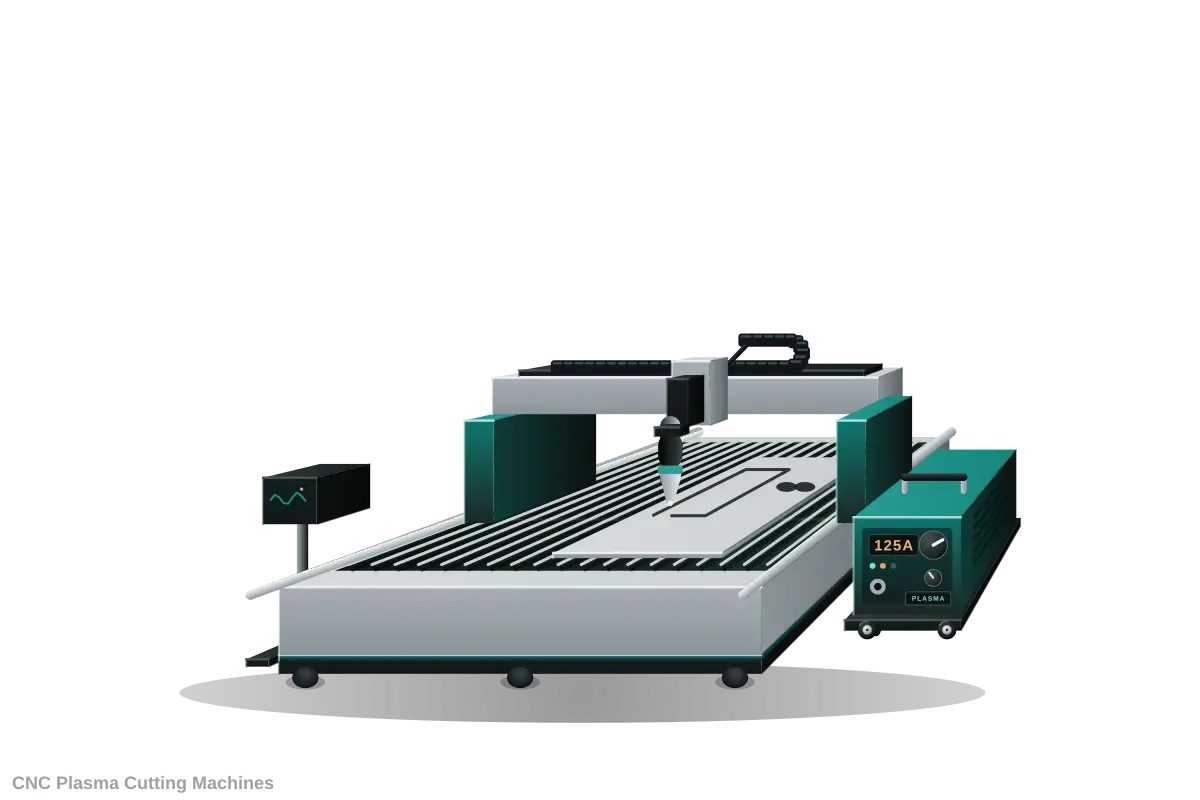
CNC Plasma Cutting Machines
CNC plasma cutting machines from 100 A to 200 A, cutting metal from 2 mm to 25 mm. Engineered and built in India, with installation and operator training.
100–200 Aplasma current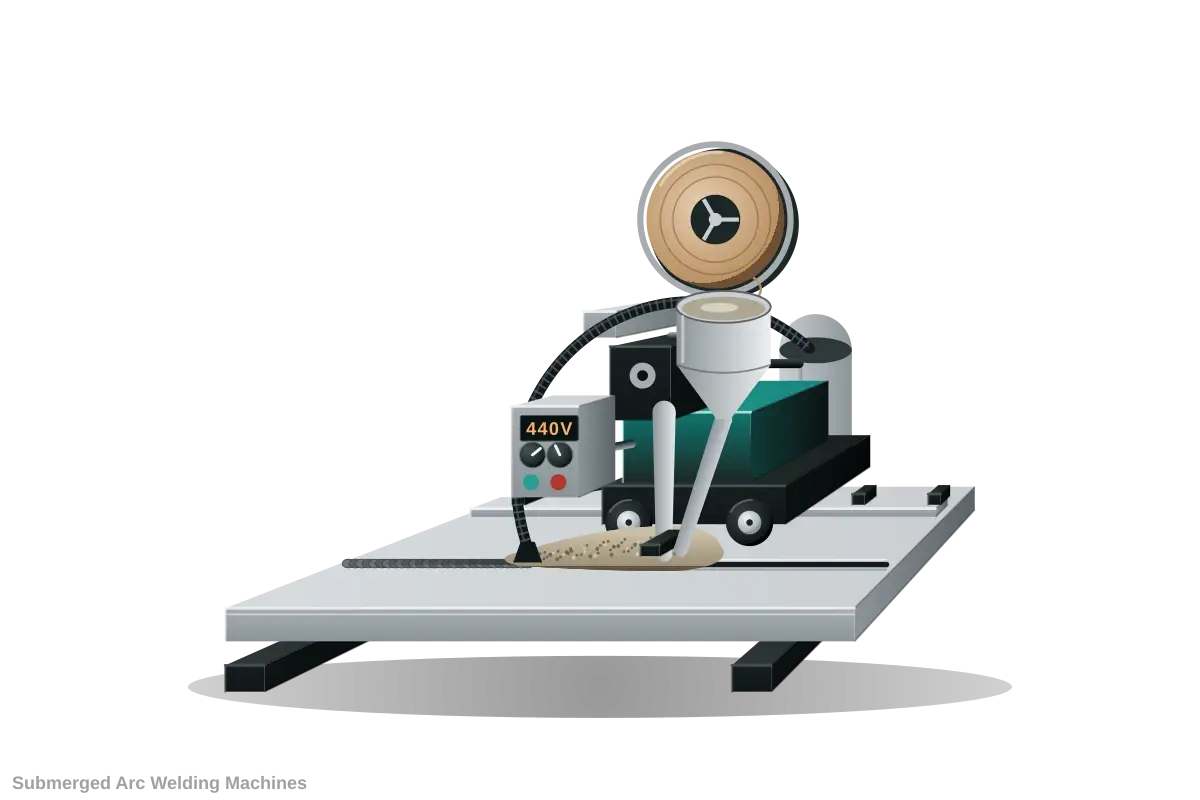
Submerged Arc Welding (SAW) Machines
Submerged arc welding (SAW) machines for 440 V, customisable for long seams on thick plate. Engineered and built in India, with installation and training.
440 Vsupply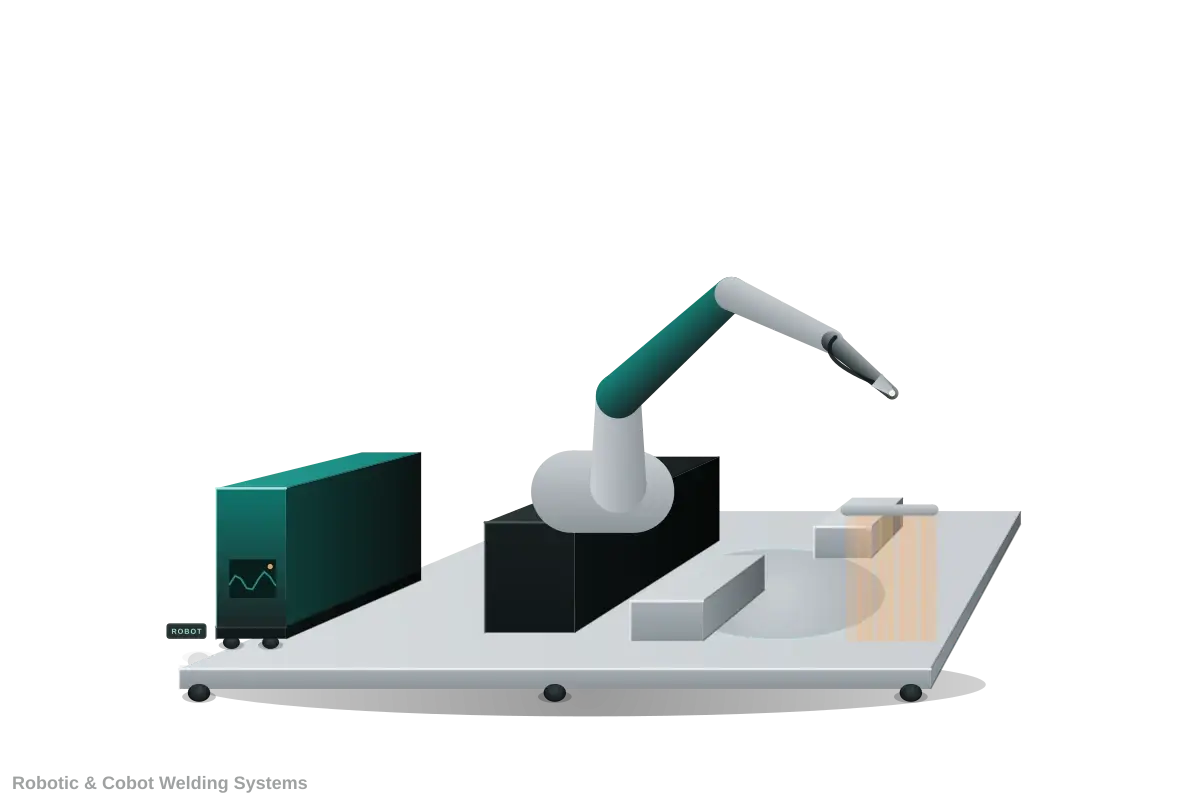
Cobot & Robotic Welding Systems
Cobot and industrial robotic welding systems, configured to your parts and volumes. Engineered and built in India, with installation and operator training.
Built to briefconfigurationFAQ
Questions about MIG, TIG & Arc (MMA) Welding Machines
What is the difference between MIG, TIG and MMA welding?
MIG feeds a continuous wire through the torch with shielding gas, making it the fastest and easiest for production fabrication. TIG uses a tungsten electrode and separate filler rod under argon, giving the cleanest, most controlled welds on thin stainless steel and aluminium, but it is slower and needs more skill. MMA uses flux-coated stick electrodes, needs no gas cylinder and is the most forgiving for site and repair work.
Should I buy a 220 V or a 440 V welding machine?
It depends on the supply at your site and the work you do. A 220 V machine runs from an ordinary single-phase connection, so it suits smaller workshops, maintenance teams and work where the machine moves around. A 440 V three-phase machine suits continuous production welding and heavier sections, where the machine runs for long periods. Tell us your supply and typical jobs, and we will recommend the right option.
Which welding process suits stainless steel and aluminium?
TIG gives the most precise control and the cleanest finish on thin stainless steel and aluminium, which is why it is used for food, dairy, pharmaceutical and decorative work. MIG is faster and well suited to thicker sections and production runs in both metals, with the right wire and shielding gas. MMA can weld stainless steel with suitable electrodes but is rarely the first choice for aluminium. We configure the machine to the metals you weld.
Can one machine do MIG, TIG and MMA?
We can configure a machine for more than one process, which suits workshops doing varied work that do not want separate sets for each job. A multi-process machine is practical where one process dominates and the others are used occasionally. Where a workshop welds all day in one process, a dedicated machine is often simpler. We look at your work mix and recommend the arrangement that makes sense.
What does 'customisable' mean for a welding machine?
It means the machine is configured to your work rather than picked from a fixed catalogue. We match the processes, output, supply voltage, controls, torches, cables, wire feeder and accessories to the metals and thicknesses you weld and how long the machine runs. Share your typical jobs, materials and the supply at your site, and we will propose a configuration and explain why it suits that work.
Is MMA still worth buying when MIG is faster?
Yes, for the right work. MMA needs no gas cylinder or wire feeder, so the equipment is simple, portable and tolerant of wind, rust and awkward positions. That makes it the practical choice for site erection, structural steel, repairs and maintenance, where moving a MIG set and gas supply is inconvenient. For production welding in a workshop, MIG is usually faster and more economical per metre of weld.
Talk to us about MIG, TIG & Arc (MMA) Welding Machines
Tell us your material, thickness and production volume and we will recommend the right configuration.