
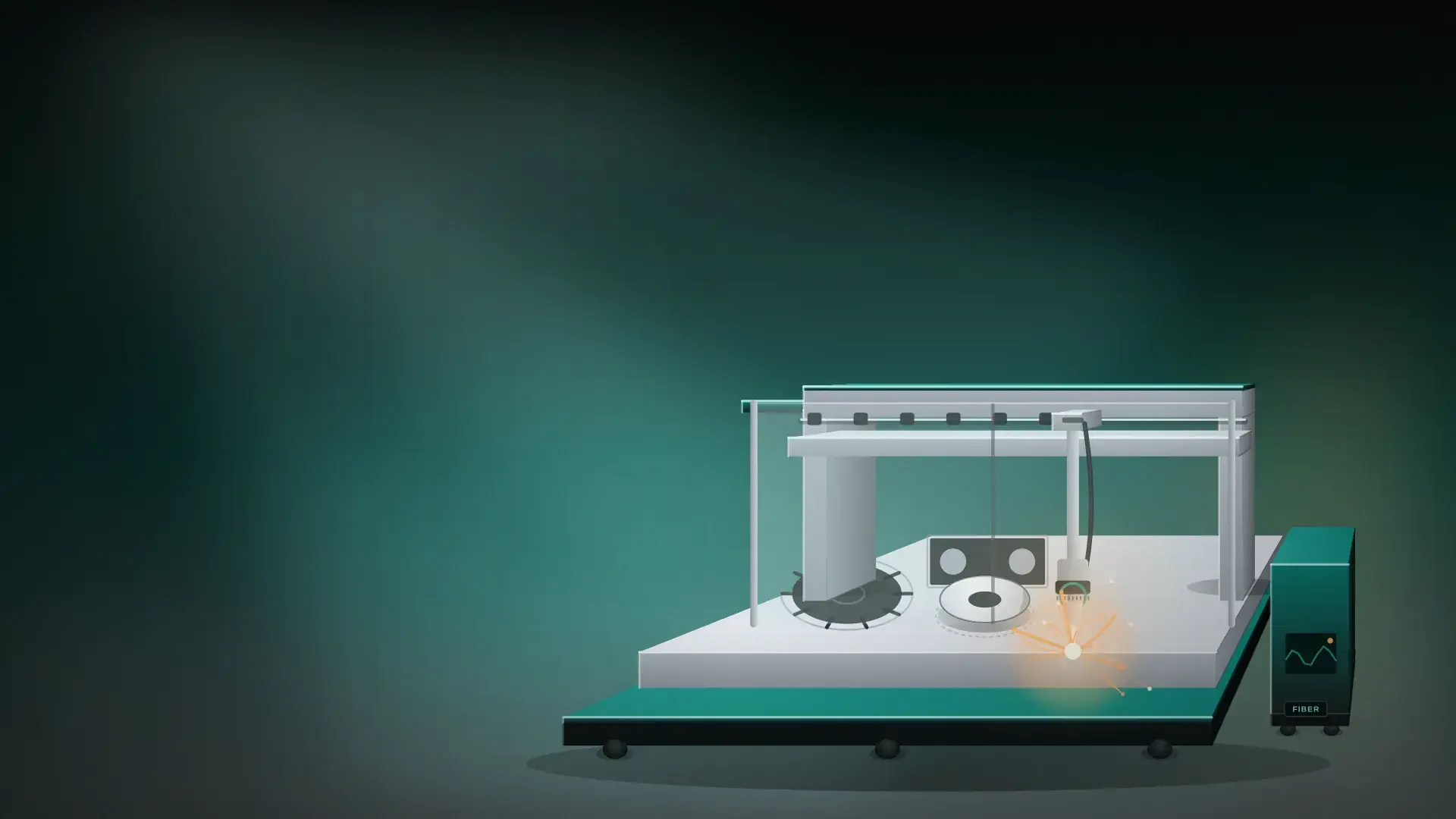
CNC Laser
CNC Fiber Laser Cutting Machines
Engineered, built and tested in India and configured to your job, with installation, operator training and service from the team that built it.
RA Machine is the CNC machine division of R.A. Auto Engineering Works, an engineering company in Kolkata, India, founded in 1989 and building machines since 2008. We make CNC laser and plasma cutting machines, MIG, TIG, MMA and submerged arc welding machines, and cobot and robotic welding systems, and supply them across India and abroad. We are GST registered, hold an Import Export Code for export, and have supplied Indian Railways since 2022 as a preferred vendor for certain safety-critical items. Our CNC Fiber Laser Cutting Machines are designed, built and supported by our own team in India, for buyers across India and abroad. More about RA Machine
Specifications
The range
A CNC fiber laser cutting machine uses a focused, high-power beam from a solid-state fiber laser source to cut carbon steel, stainless steel, aluminium and other metals with a narrow kerf, little heat distortion and edges that rarely need further finishing. RA Machine builds fiber laser machines with sources from 1.5 kW to 30 kW, so a job shop cutting thin sheet and a heavy fabricator cutting thick plate can each have a machine configured to their material, thickness and daily output. Where the job calls for it, the same laser source can be fitted for welding instead of cutting.
- Laser power
- 1.5 kW – 30 kW
- Process
- Cutting; laser can also be fitted for welding
Every machine is configured to the job it will do. Send us your material, thickness and production volume and we will recommend and quote the right configuration.
Request a Quote
For CNC Fiber Laser Cutting Machines. Each machine is configured to the job, so tell us your material, thickness and volume and we will specify and quote it.
Fill form instead
Thank you — your enquiry has been sent.
Our sales team will get back to you shortly, usually within one working day.
Where it's used
Applications
Sheet metal fabrication and job work
Automobile and auto component manufacturing
Electrical enclosures, control panels and switchgear
Elevator and escalator panel fabrication
Kitchen equipment and commercial appliance manufacturing
HVAC ducting and ventilation components
Structural steel and heavy engineering fabrication
Agricultural equipment and implement manufacturing
Railway coach and rolling stock components
Architectural metalwork and metal signage
How it works
The engineering
A fiber laser generates its beam inside an optical fibre pumped by laser diodes, then carries it through a flexible fibre cable to a cutting head that a CNC-controlled gantry moves over the sheet. A lens focuses the beam to a small spot that melts the metal, and a jet of assist gas blows the molten material out of the kerf. Unlike CO2 lasers, which build the beam in a gas-filled resonator and steer it with mirrors, fiber lasers convert electrical power to light far more efficiently and have no beam-path mirrors to align, which keeps running cost and routine maintenance low.
Laser power is the first decision, and it should follow your work rather than assume bigger is better. Higher power cuts thicker plate and cuts thin sheet faster, but it also raises the cost of the source, the chiller and the electrical connection. A shop cutting mostly thin and medium sheet is usually well served towards the lower end of the 1.5–30 kW range; heavy engineering, plate processing and high-volume production, where cycle time sets output, justify more. We size the source to the thickest material you cut regularly, not the occasional exception, and to the hours the machine will run each day.
The rest of the machine is configured around the same job: a working area to suit the sheets you buy, the cutting head, and the nesting software that lays parts out on each sheet to keep scrap low.
Carbon steel is usually cut with oxygen, which reacts with the hot metal and helps on thicker plate. Stainless steel and aluminium are cut with nitrogen for a bright, oxide-free edge that can go straight to welding or powder coating, while compressed air is a lower-cost option for thinner, less critical parts. Reflective metals such as brass and copper can be cut too, provided the source and head are specified with back-reflection protection.
Day-to-day running cost is mostly electricity, assist gas and consumables such as nozzles and protective windows. The source and cutting head need a closed-loop water chiller to keep beam quality stable, and the cutting area needs fume extraction. Against those costs, a laser removes most of the grinding, drilling and marking-out that slower cutting methods leave behind.
Laser or plasma? A fiber laser gives finer detail, smaller holes, a narrower kerf and squarer edges, which matters for precision parts, close-fitting assemblies and visible finishes. CNC plasma costs less to buy and run and handles mild steel plate well where edge finish is less critical. Many fabricators start with plasma for structural plate and add a laser as precision work grows; we will tell you plainly which one your parts need.
Every RA Machine fiber laser is engineered, built and tested in India and configured to the buyer's job before it leaves the workshop. Installation, commissioning and operator training are part of the supply, with spares, remote diagnostics and service visits afterwards.
Our range
Other technologies
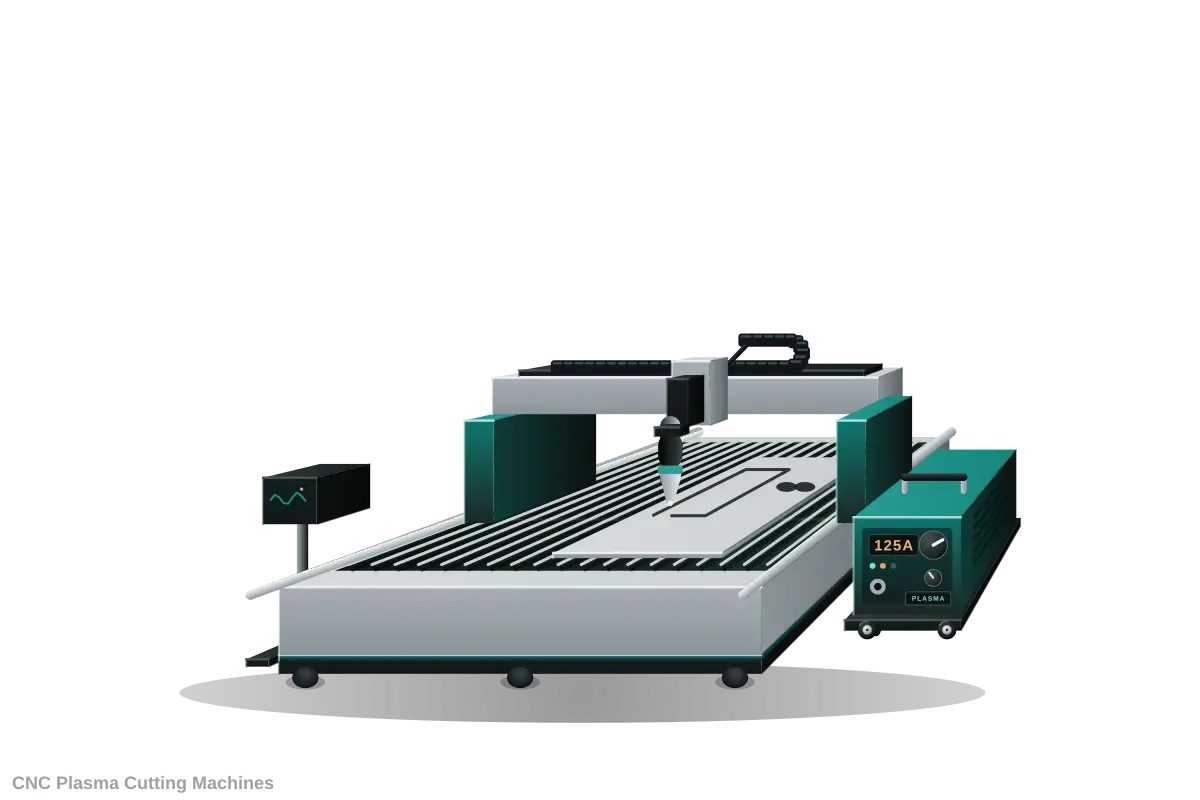
CNC Plasma Cutting Machines
CNC plasma cutting machines from 100 A to 200 A, cutting metal from 2 mm to 25 mm. Engineered and built in India, with installation and operator training.
100–200 Aplasma current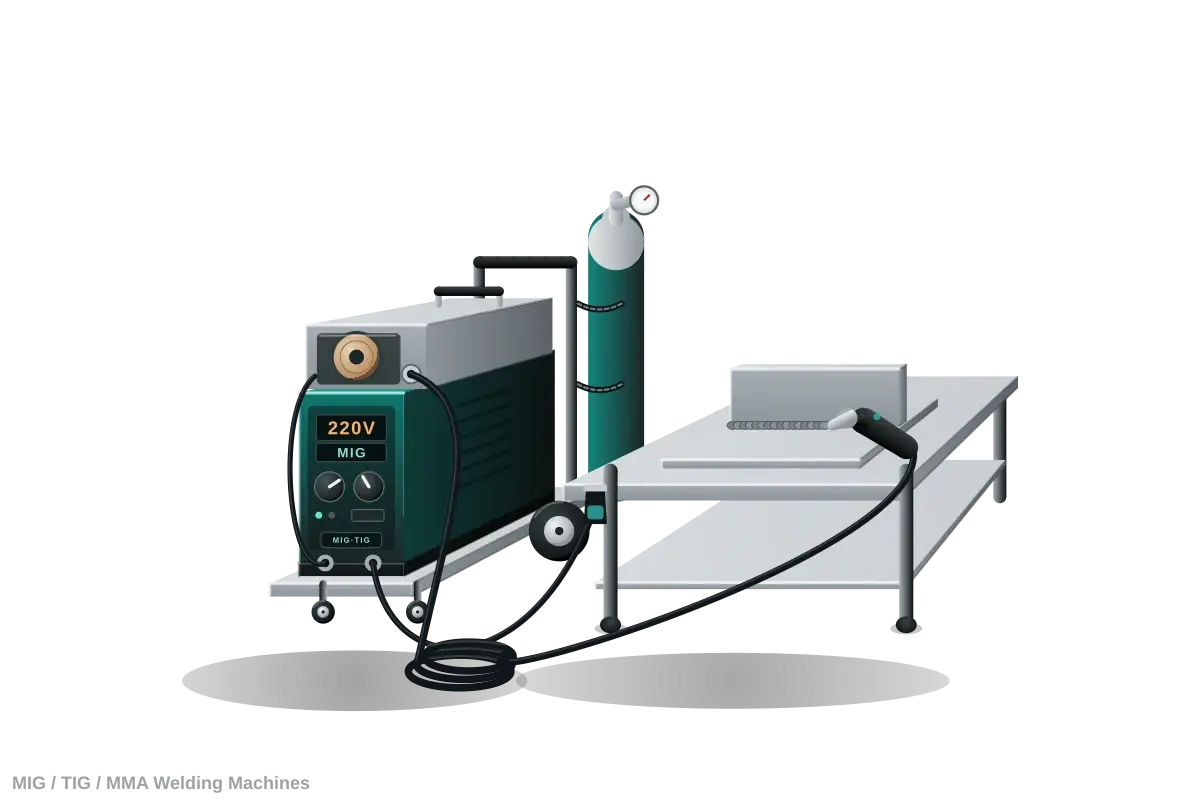
MIG, TIG & Arc (MMA) Welding Machines
MIG, TIG and MMA arc welding machines for 220 V and 440 V supply, customisable to your work. Engineered and built in India, with installation and training.
MIG · TIG · MMAprocesses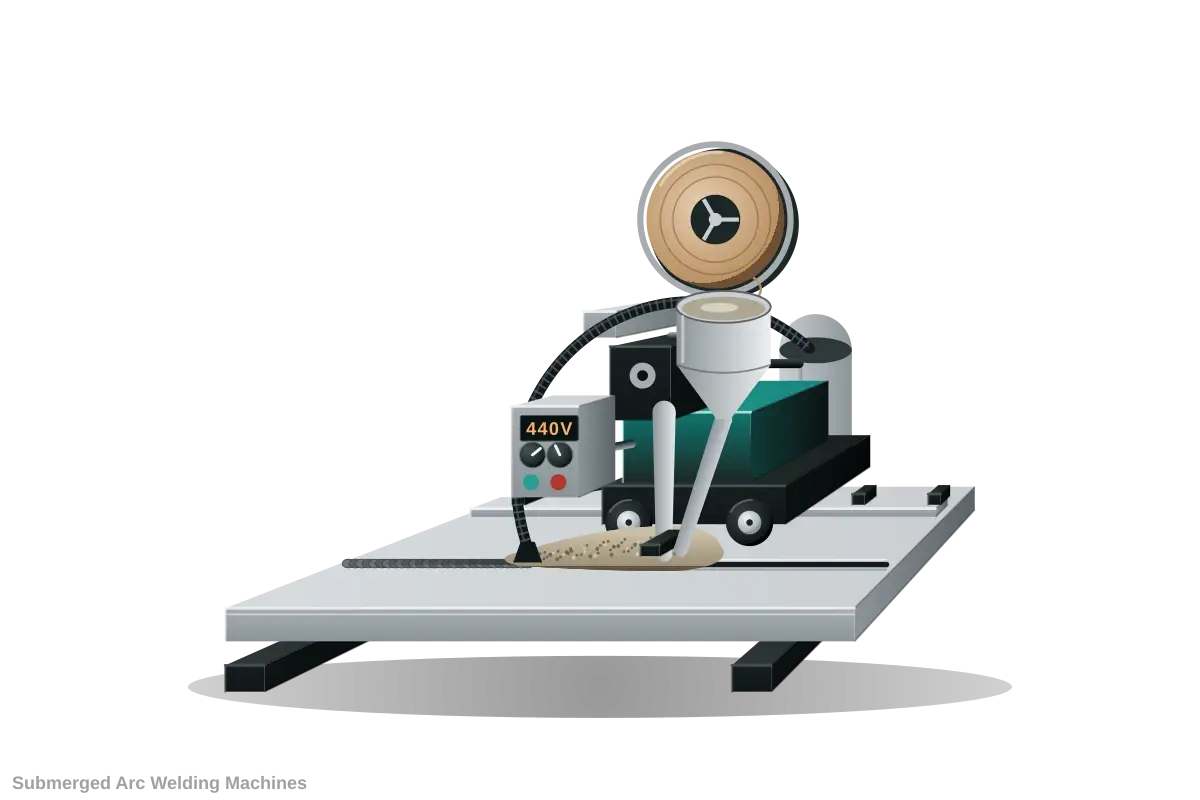
Submerged Arc Welding (SAW) Machines
Submerged arc welding (SAW) machines for 440 V, customisable for long seams on thick plate. Engineered and built in India, with installation and training.
440 Vsupply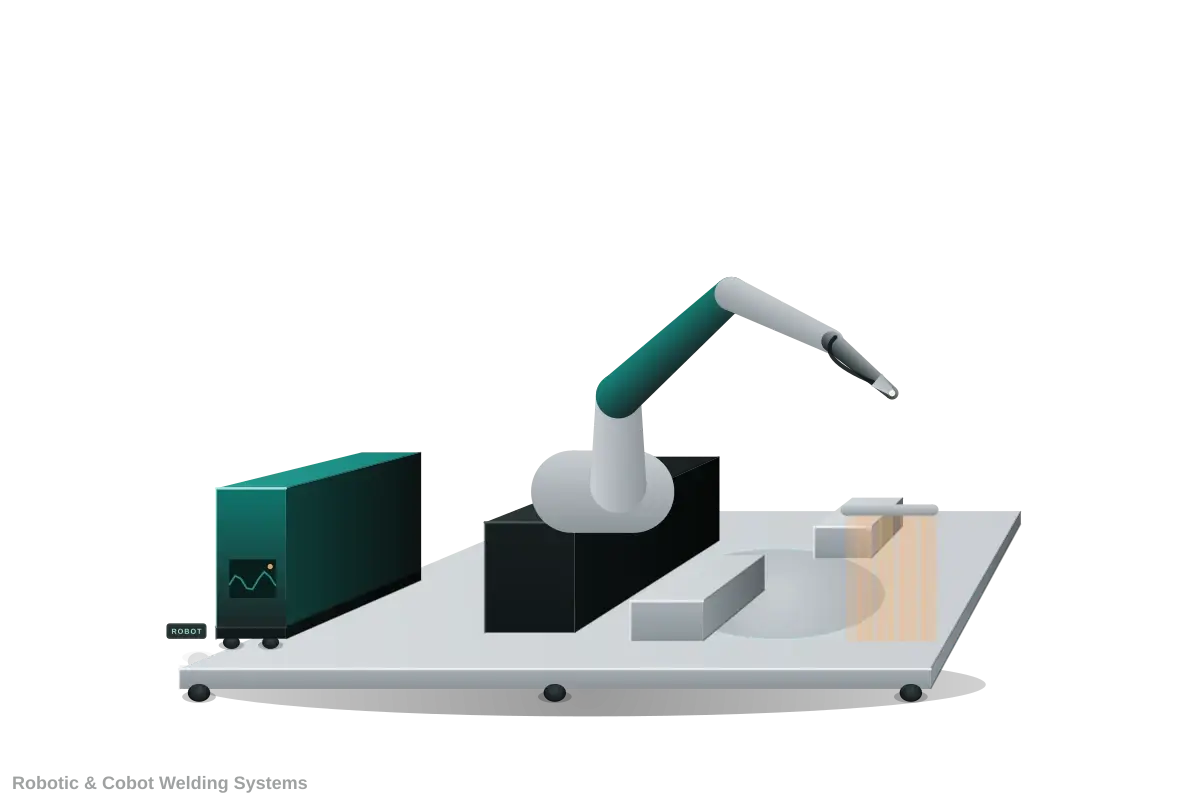
Cobot & Robotic Welding Systems
Cobot and industrial robotic welding systems, configured to your parts and volumes. Engineered and built in India, with installation and operator training.
Built to briefconfigurationFAQ
Questions about CNC Fiber Laser Cutting Machines
How do I choose the right laser power between 1.5 kW and 30 kW?
Start with the thickest material you cut regularly and the volume you need each shift. Higher power cuts thicker plate and cuts thin sheet faster, but it raises the cost of the source, chiller and electrical supply. Buying far more power than your work needs ties up capital; buying too little slows production. Share sample drawings and your material mix, and we will recommend a power level within the range and explain the reasoning.
Which assist gas should I use for fiber laser cutting?
Oxygen is generally used for carbon steel because it reacts with the hot metal and helps the cut on thicker plate. Nitrogen produces a clean, oxide-free edge on stainless steel and aluminium, ready for welding or a visible finish without further grinding. Compressed air is a lower-cost option for thinner, less critical parts. We set up the gas supply and cutting parameters for your materials during commissioning.
Do fiber laser cutting machines need a chiller?
Yes. The laser source and cutting head generate heat that must be removed to keep beam quality stable and protect the optics, so every fiber laser runs with a dedicated industrial water chiller sized to the laser power. It works as a closed loop and needs periodic coolant and filter checks, which are covered in operator training along with the machine's other routine maintenance tasks.
Can the laser be used for welding as well as cutting?
Yes. The laser source can be fitted for cutting or for welding, depending on what the job needs. Laser welding produces a narrow, low-distortion weld at high travel speed and suits thin sheet, stainless steel and joints where appearance matters. Tell us whether you need cutting, welding or both, and we will configure the source, head and controls to suit your parts and production.
Can one machine cut both thin sheet and thick plate well?
Yes, within the capability of its laser power. The CNC control stores cutting parameters for each material and thickness, adjusting power, speed, focus and gas pressure automatically, so the same machine moves between thin sheet and heavier plate without separate equipment. The key is choosing a power level that covers the thickest material you cut regularly while staying economical on the thin work that makes up most jobs.
What after-sales support comes with a fiber laser cutting machine?
Installation, commissioning and operator training are part of every supply, so your team is cutting production parts with confidence before handover. Training covers safe operation, programming and nesting, assist-gas settings and the daily and weekly checks that keep cut quality consistent. After that, we provide spares, remote diagnostics and service visits for the machines we build, so problems are diagnosed quickly and production keeps moving.
Talk to us about CNC Fiber Laser Cutting Machines
Tell us your material, thickness and production volume and we will recommend the right configuration.